Removals parking fines Maida Vale Westminster Council enforces: what movers need to know before moving day
If you are planning a move in Maida Vale, parking is not a small detail. It can be the difference between a calm, efficient moving day and an expensive mess. The reality is simple: Removals parking fines Maida Vale Westminster Council enforces can catch people out when a van blocks a bay, overstands a bay, parks on suspension lines, or lands in the wrong place at the wrong time. And on a busy London street, that can happen faster than you think.
This guide breaks down how those fines happen, why they matter, what Westminster Council typically enforces in practice, and how to reduce the risk before the boxes even leave the hallway. You will also find a practical checklist, a real-world style example, and a few grounded tips that make moving day feel less chaotic. Let's face it, no one wants to be arguing with a ticket while the sofa is still halfway through the front door.
Why Removals parking fines Maida Vale Westminster Council enforces Matters
Parking controls in Maida Vale are not just there to be awkward. They help keep roads passable, protect residents, and stop loading activity from turning into gridlock. For removals, though, they create a very real operational risk. A moving crew may be working to a tight schedule, but if the van is not parked legally, the whole day can unravel.
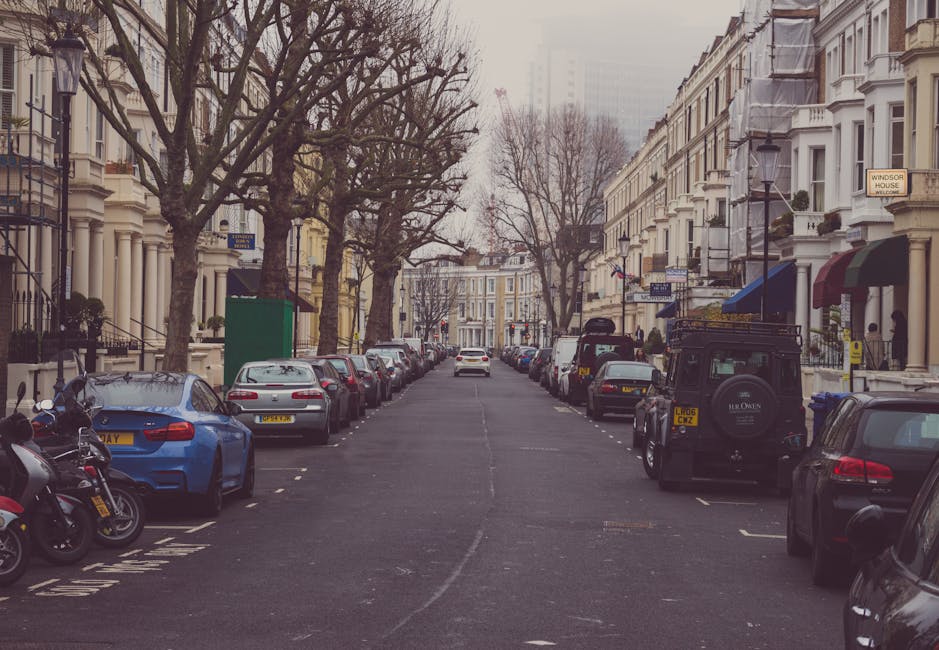
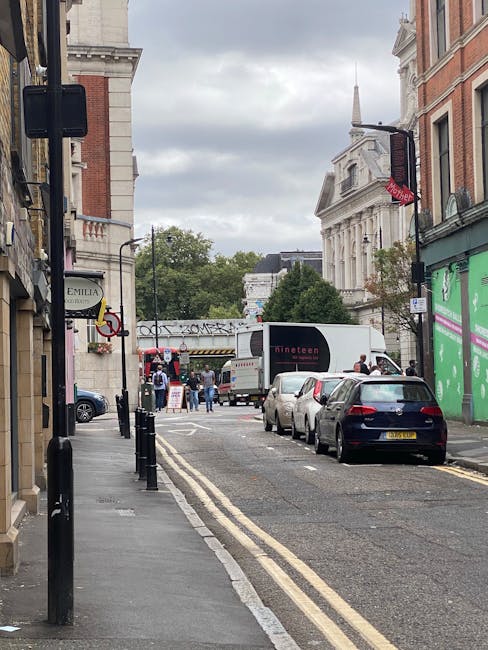
What makes this area tricky is the combination of narrow roads, resident permit bays, pay-and-display bays, controlled hours, bay suspensions, and the everyday reality of London traffic. One small mistake can trigger a penalty charge notice, a complaint from a neighbour, or both. And if the van has to move repeatedly, you lose time, money, and patience. Funny how fast a "quick move" becomes a chess game with kerb space.
For people relocating flats, family homes, or even small offices, the stakes are not only the fine itself. There is the knock-on effect: delayed access, extra labour time, missed lift slots, and stress for everyone involved. That is why parking planning should be treated as part of the removals job, not an afterthought.
Practical takeaway: if the loading point is not sorted in advance, everything else becomes harder - the lifting, the timing, the safety, and the final bill.
If you are still comparing moving options, it helps to look at providers that understand the logistics of London streets, not just the lifting side. Services such as man and van support or full removal services can be useful when access is tight and you need a more flexible setup.
How Removals parking fines Maida Vale Westminster Council enforces Works
Parking enforcement in Westminster is usually handled through civil parking controls. In plain English, that means a civil enforcement officer may issue a penalty charge if a vehicle is parked in breach of the local rules. During a move, the most common triggers are fairly predictable, even if they feel random on the day.
Typical situations include parking in a restricted bay without the right permission, overstaying a loading limit, stopping where loading is not allowed, blocking access, parking on a suspension, or leaving a vehicle in a position that interferes with traffic flow. In removal work, these issues often happen because crews are balancing lifting, carrying, and timing. You can be "only five minutes" away from moving the next box, and that is often exactly when a ticket appears. Timing is everything, annoyingly so.
There is also the practical distinction between stopping for loading and simply parking. Many drivers assume a van can stay in a bay as long as boxes are being moved, but that is not always how enforcement is interpreted. The exact conditions depend on the location, signage, time restrictions, and any permission or suspension in place. So, the key is not guessing. It is checking.
In Maida Vale, this means treating the loading point like a critical part of the move plan. Is it a permit bay? Is it a shared-use bay? Is there a suspension board nearby? Is there enough room for tail lift access or door opening? If you do not know the answer, you are already on the back foot.
A sensible removals plan also considers the vehicle size. A small van may fit into a space that a larger lorry cannot. If you are arranging a larger vehicle, it is worth reviewing options such as removal van hire or a moving truck only if the access and parking conditions genuinely suit it.
Key Benefits and Practical Advantages
Getting parking right is not just about avoiding a fine. It improves almost every part of the move. A legal, well-positioned vehicle can reduce walking distance, cut down loading time, and keep the crew focused on the actual job. That sounds basic, but in a tight residential street, basic is gold.
- Lower risk of penalties: fewer surprises from enforcement officers and less chance of a moving-day charge eating into the budget.
- Faster loading and unloading: the crew spends less time carrying items from far away.
- Better safety: shorter carrying distances reduce strain and the chance of drops or knocks.
- Less disruption for neighbours: a tidy setup is usually better received on a busy street.
- Smoother scheduling: when the van is where it should be, everyone can work to plan.
There is also a softer benefit that people often overlook: peace of mind. When the parking side is under control, you can think more clearly. You are less likely to rush, lose paperwork, or make that classic moving-day mistake of packing the kettle last and the mug box first. We have all seen that kind of chaos.
For people comparing a bigger move with a smaller one, choosing the right service can make a real difference. A house removals team, for example, may be better suited to complex access and multiple loads, while flat removals are often more dependent on careful parking and timing around stairs, lifts, and narrow streets.
Who This Is For and When It Makes Sense
This topic matters to more people than you might think. It is not just for removal companies or seasoned drivers. If you are moving in or out of Maida Vale, or helping someone else do it, the parking side matters to you too.
It makes sense to pay close attention if you are:
- a homeowner moving into or out of a restricted street
- a tenant in a flat with limited kerb access
- a landlord arranging a turnaround between occupiers
- a student moving with a small van and a tight schedule
- a business relocating from a controlled parking area
- an office manager trying to avoid disruption during working hours
It is especially relevant when the move involves bulky furniture, a piano, or a lot of boxed items. In those situations, every extra minute matters. A solid plan usually includes parking, carrying route, lift access, and the order in which items come out of the property. If you are moving a specialist item, services like piano removals can be particularly helpful because they tend to account for access constraints from the start, rather than reacting late.
Commercial moves need their own level of caution. Office loading often happens on deadlines, but controlled streets do not care that your reception desk is scheduled for a 2 p.m. arrival. For that sort of relocation, office relocation services or office removals are usually the more sensible route.
Step-by-Step Guidance
Here is a simple, practical process you can follow. Nothing fancy. Just the sort of structure that prevents avoidable stress.
- Check the parking restrictions for the exact street. Do not rely on memory or what someone said last year. Signs change, suspensions appear, and local conditions can differ from one side of the road to the other.
- Measure access realistically. A van may technically fit, but can it sit there safely while doors are open and items are being lifted? If not, keep looking.
- Plan the loading window. Work backwards from your lift booking, keys handover, or delivery slot. A ten-minute delay can matter more than you expect.
- Choose the right vehicle size. If the street is tight, a smaller vehicle may reduce the risk of obstruction or repeated repositioning.
- Decide who handles parking on the day. Someone should be responsible for the vehicle while others carry. Do not assume everyone knows who is doing what. That gets messy fast.
- Prepare the property before the van arrives. Boxes sealed, furniture disassembled if needed, and routes clear. The less time spent standing around, the better.
- Keep proof of permission or booking details handy. If there is a loading bay arrangement or special access note, have it on the phone and in a paper copy if needed.
- Review the plan mid-move. If the bay is blocked, the street gets busier, or the weather turns, adjust quickly rather than hoping it will sort itself out.
A small but important point: if you are hiring helpers, the parking plan should be part of the quote discussion, not a last-minute question. That is where clear pricing and quotes information becomes useful, because access assumptions can change the real workload quite a bit.
Expert Tips for Better Results
Here are the tips that tend to save the most trouble in real life.
- Arrive earlier than you think you need to. London street space moves quickly. A legal bay can be gone in minutes.
- Keep the van visible and tidy. A clearly parked, properly positioned vehicle is less likely to attract attention than one halfway across a lane with the doors open and nobody watching it.
- Use a second person as a parking spotter. One person on the ground can make a huge difference, especially in a narrow street.
- Break the load into sensible runs. Fewer trips from a legally parked van are better than many awkward trips from a bad position.
- Have a backup plan. Nearby side streets, alternate bays, and short holding points can save the day if the first spot is unavailable.
- Keep communication simple. Headsets, phone calls, or just a clear hand signal. Anything is better than shouting across the pavement in the rain.
In our experience, the best moving days are rarely the most heroic ones. They are the organised ones. A crew that knows where the van goes, who guides it, and what happens if the bay is taken will always look calmer than one improvising under pressure.
If you are dealing with large items or repeat loading, it may also be worth using removal services rather than trying to bolt together transport and labour from different places. The smoother the setup, the fewer weak spots.
Common Mistakes to Avoid
Most parking fines during removals are not "bad luck" in the pure sense. They usually come from predictable mistakes. The good news? Predictable mistakes are the easiest ones to fix.
- Assuming a van can stop wherever a car could. It cannot. The rules for loading and parking can be different, and size matters.
- Ignoring suspension signs or temporary notices. These are easy to miss when you are carrying boxes, but enforcement will not miss them.
- Leaving the vehicle unattended for too long. That is a classic one. Someone pops upstairs "for just a minute," and the minute becomes twenty.
- Not checking the actual street on the day. Conditions change. A bay that worked last month may be unavailable now.
- Hiring the wrong vehicle. Too big and you risk obstruction; too small and you risk repeated trips and time loss.
- Forgetting to coordinate key handover and parking. If the van arrives before access is ready, everyone stands around paying for the wait. Not ideal.
One slightly annoying truth: even careful people make these mistakes when they are tired, rushed, and carrying a wardrobe down three flights of stairs. It happens. That is why the plan needs to be practical rather than optimistic.
Tools, Resources and Recommendations
You do not need a complicated toolkit, but a few basics help a lot. A measuring tape, phone camera, sticky notes for labels, a torch for darker hallways, and a charged phone are all surprisingly useful. If your move involves multiple rooms, a floor plan or simple room list can keep the load sequence sane.
For furniture and box preparation, services such as packing and boxes or packing and unpacking services can reduce the chance of last-minute panic. When everything is labelled properly, the carrying order becomes much easier to manage. That, in turn, shortens the time the van needs to occupy a bay.
Storage can also be a smart option if the access situation is awkward or if your move is split across dates. A short stop in secure storage may help when the new property is not quite ready, or when you need to free up space before a second load. In those cases, storage can be a practical pressure valve rather than a backup plan you hope never to use.
For people downsizing, moving between furnished properties, or clearing items ahead of completion, furniture removals and furniture pick up can help keep the job focused instead of turning into a half-weekend of borrowed vans and crossed fingers.
Law, Compliance, Standards, or Best Practice
Parking enforcement is not the same thing as criminal law, but it is still formal and it still matters. The main point for movers is this: if a restriction is signed, operational, or active at the time of stopping, you need to respect it. Do not assume that loading automatically excuses every stop. In London, that assumption can get expensive.
Best practice is to treat the move as a compliance exercise as much as a logistics exercise. That means reading the signs carefully, checking time windows, understanding whether the street is in a controlled parking zone, and making sure the driver knows the plan before arrival. A good removals operator will usually build this into the workflow, especially for tighter urban areas.
If you are comparing providers, look for signs of careful working rather than broad promises. Strong communication, realistic scheduling, and attention to safety all matter. It is also sensible to review supporting policies such as health and safety policy and insurance and safety information, because those details tell you whether the business thinks beyond the vehicle itself.
For businesses, there is another layer: staff safety, access management, and duty of care around moving heavy items. That is where planning becomes part of workplace practice, not just transport. And yes, that includes not asking a receptionist to hold a parking space with a coffee cup. Tempting, but no.
Options, Methods, or Comparison Table
There is more than one way to manage a move in Maida Vale. The right method depends on how tight the street is, how much you are moving, and how much time you have.
| Approach | Best for | Main strength | Main risk |
|---|---|---|---|
| Small van with careful loading plan | Flats, student moves, lighter household loads | Easier to park in tighter streets | May need more trips |
| Larger removal truck | Full-house moves, bulky furniture, office moves | Higher capacity and fewer trips | Harder to position legally in restricted roads |
| Mixed vehicle approach | Moves with awkward access or staggered timing | Flexible and practical | Needs coordination and clear scheduling |
| Storage plus phased moving | Delayed handover or access uncertainty | Reduces pressure on the moving day | Adds an extra step and planning requirement |
For smaller jobs, a man with van setup can be efficient if the parking is straightforward and the load is not excessive. For bigger or more complex jobs, a fuller removals approach often makes more sense because it brings more structure and capacity to the day.
Case Study or Real-World Example
Picture a Friday morning move from a first-floor flat off a busy Maida Vale street. The client has boxed most of the kitchen, but there is still a sofa, a dining table, and a couple of heavy wardrobes. The street has limited space, and the nearest bay looks tempting but is already time-restricted.
Instead of trying to wing it, the moving team arrives early and checks the loading options before the lift booking starts. They confirm the best legal stopping point, keep one person with the van, and carry items in a steady sequence from the flat to the vehicle. No one is waiting around, and there is no scramble when traffic picks up mid-morning.
Now imagine the opposite version. The van parks in the nearest gap because it "seems fine." Then a restriction is noticed too late, the driver has to move, someone is halfway down the stairs with a wardrobe leg, and the job starts sliding downhill. That is exactly how fines, delays, and stress end up feeding one another.
The difference between the two is not luck. It is parking discipline. A boring word, maybe. But on moving day, boring is beautiful.
Practical Checklist
Use this checklist before your removal starts:
- Confirm the exact moving address and street access conditions
- Check parking signs on the street, not just nearby streets
- Identify any loading restrictions, suspensions, or permit requirements
- Choose the smallest suitable vehicle for the job
- Decide who stays with the van and who carries items
- Pack and label boxes in advance
- Keep keys, access codes, and paperwork ready
- Set a realistic arrival and loading window
- Have a fallback parking idea if the first bay is unavailable
- Review safety, insurance, and terms before the day
Expert summary: the best way to avoid removals parking fines in Maida Vale is to plan the parking as carefully as the packing. It sounds almost too simple, but that is the point. The fewer assumptions you make, the fewer penalties you invite.
Conclusion
Parking fines during removals are frustrating because they are so avoidable in many cases. But avoidable does not mean trivial. In a place like Maida Vale, where space is precious and Westminster Council enforcement can be active, parking has to be part of the move strategy from the start.
If you prepare properly, choose the right vehicle, understand the street conditions, and keep the team coordinated, you give yourself a much smoother day. Less rushing. Less noise. Fewer awkward moments with the kerb and the clipboard. And a lot less chance of seeing a penalty notice when you are already carrying enough stress.
If you are planning a move and want a more organised, locally aware approach, explore the support options that match your situation and make the logistics easier on yourself. A careful move is rarely the flashiest one, but it is usually the one people remember for the right reasons.
Get a free quote today and see how much you can save.
And when the last box is inside, there is a quiet kind of relief in the air. That part never gets old.
Frequently Asked Questions
Can Westminster Council issue a parking fine during a house move in Maida Vale?
Yes, if the vehicle is parked in breach of the local restrictions. A move does not automatically excuse stopping anywhere you like, so it is worth checking the exact street signs and loading conditions first.
Does loading and unloading protect me from a fine?
Not always. Loading activity may be relevant, but it depends on the location, the signs, the time of day, and whether the vehicle is stopped in a place where loading is actually allowed.
What is the biggest mistake people make on moving day?
Assuming parking will sort itself out. It rarely does. The most common problems come from underestimating how quickly a legal space can disappear or how strict a restriction can be.
Should I use a small van or a large removal truck?
It depends on the property, the amount you are moving, and the parking conditions. A smaller van is often easier in tight streets, while a larger truck can reduce trips but may be harder to position legally.
How early should a removals vehicle arrive?
Earlier than the carrying start time, ideally. That gives the driver a buffer for finding a legal bay, checking signs, and adjusting if the first option is not suitable.
Can I leave the van unattended while carrying boxes upstairs?
It is risky. A second person watching the vehicle is a much better idea, especially in a controlled parking area or a busy street.
What should I do if the loading bay is occupied?
Have a backup plan ready before the move starts. Nearby legal options, alternative streets, or a phased load can save time and reduce stress if your first choice is taken.
Do flat moves create more parking problems than house moves?
Often yes, because flats can mean tighter access, longer carrying routes, lifts, stairs, and less private driveway space. That makes parking and timing more important.
How can I reduce the chance of a parking fine without overcomplicating the move?
Check the street signs, arrive early, use the right vehicle size, and keep one person focused on parking and access. Simple discipline goes a long way.
Are storage and phased moves useful when parking is difficult?
Yes. If access is awkward or your handover times do not line up neatly, storage can reduce pressure and make the move easier to manage in stages.
Should I ask my removal company about parking before booking?
Absolutely. Good removal planning includes access, loading space, vehicle size, and the likely risk of restrictions. It is a very reasonable question to ask.
Is there a difference between parking a van and a car on residential streets?
Yes, there can be. Vans are often treated differently because of size, loading use, and local restrictions. Always check the street rules rather than assuming a car-style stop is fine.
What if my move takes longer than expected?
That is one more reason to build in a time buffer. A move that runs a bit long is normal; a parking setup with no flexibility is where trouble starts.
How do I choose a removals service for a restricted area?
Look for a team that understands local access, plans vehicle size carefully, and communicates clearly about timing and parking. That kind of preparation matters a lot in Maida Vale.